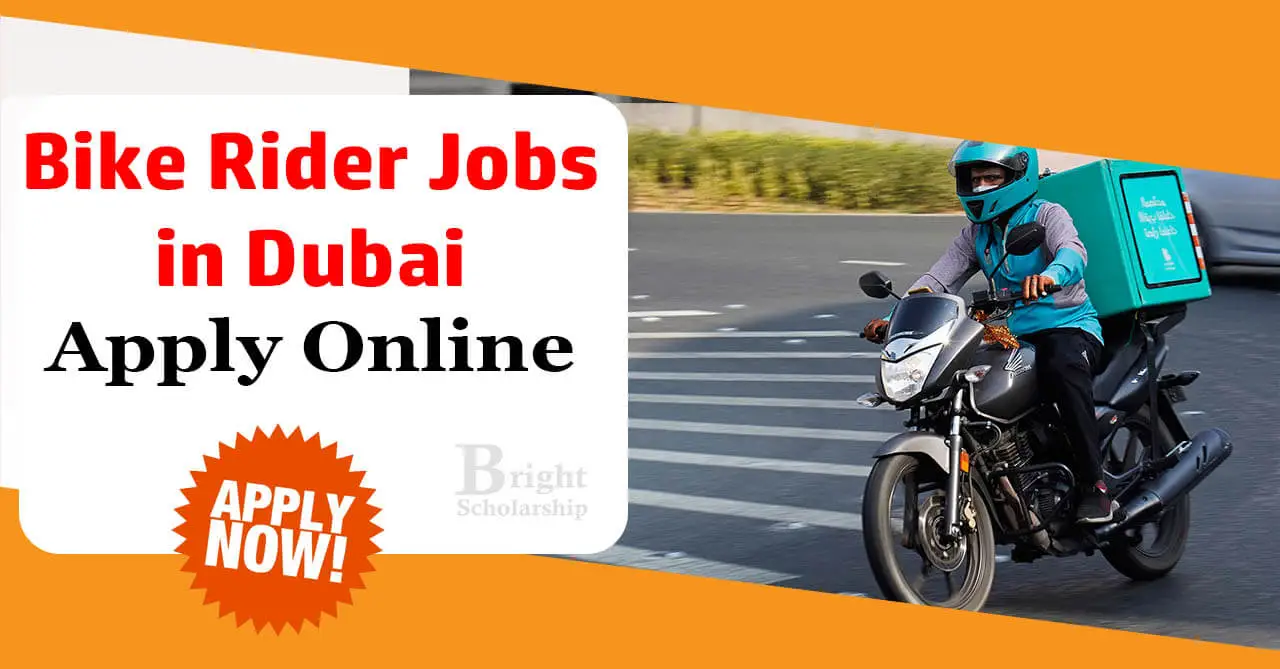
Delivery jobs in Germany are a key part of the economy, driving everything from e-commerce booms to everyday needs. Germany is Europe’s most efficient and innovative logistics hub. As of November 2025, there is a high demand for delivery driver jobs in Germany. Major job boards list over 230 openings, and the country’s strong supply chain sector means that thousands more will be needed. The delivery industry is a great place to start if you want to work in Germany. It has flexible hours, good pay, and the satisfaction of keeping the country’s punctual society on the move.
This in-depth guide goes into great detail about delivery jobs in Germany in 2025, including the details of the jobs, the qualifications needed, the training paths available, salary information, and smart job-hunting tips. The logistics market is expected to grow steadily, thanks to big companies like DHL and Amazon. These jobs promise stability in a time of digital change. We’ll cover everything from bike couriers in Berlin to long-haul parcel drivers in Munich to make sure you’re ready to succeed. If you’re looking for jobs as a courier driver in Germany or delivery jobs that come with visa sponsorship, this resource will help you find the right path to get on the Autobahn of employment.
Delivery work is more than just moving things; it’s about being dependable, talking to customers, and learning how to use new technologies like route-optimizing apps. Germany’s focus on sustainability makes it more appealing, and electric fleets and bike deliveries are growing to meet green goals. Recent data shows that 77.6% of people working in transport in the first quarter of 2025, which is a small increase from previous years. This is a good sign for drivers. But it’s not without its problems; traffic in Frankfurt and bad weather in Hamburg require strength. There are more than 600,000 job openings across the country right now, so now is the best time to switch to this important field.
We’ll give you SEO-friendly tips throughout, from resumes that are full of keywords to networking on LinkedIn. By the end, you’ll have the confidence to apply, turning possibilities into packages that get delivered. Let’s get going.
What a Delivery Driver Does in Germany
A delivery driver is an important part of Germany’s world-class infrastructure. Germany makes sure that goods, from Amazon packages to Lieferando meals, get to their destinations on time and safely. Responsibilities include loading vehicles, using GPS to find their way around city grids, checking deliveries, and keeping hygiene standards high, especially for food couriers. If you work at DHL in Hamburg, you might scan 200 packages, avoid cyclists on cobblestone streets, and digitally record customer signatures, all while following EU tachograph rules that limit hours to 9 a day.
Variety makes the day: In eco-friendly Cologne, people ride their bikes in the morning, while in Bavaria, people drive vans across the highways. The Federal Motor Transport Authority (KBA) says that safety rules require checking the brakes and lights before each trip and driving in an eco-friendly way to lower emissions. Customer service is great—fixing address mistakes or making people smile even when it’s raining—building loyalty in a culture that values service.
Is this only true in Germany? Accuracy and being on time are important; delays hurt reputations. The dual system of Ausbildung combines theory with practice to make professionals. Unions like ver.di fight for fair pay, and apps like Flink make gig work more flexible. It is open to a wide range of people, including women (thanks to programs like Frauen in Logistik). Physical fitness helps, but technology makes things easier.
Drivers help with more than just logistics: During the supply shortages of 2025 caused by events around the world, they filled in the gaps in retail and pharmaceuticals. It gives people who want to change careers from retail more freedom and support from their team. Problems like traffic jams during rush hour are nothing compared to the excitement of a perfect route. Delivery driving is the perfect mix of Teutonic efficiency and a human touch, making it perfect for the organised adventurer.
Types of Delivery Jobs Available in Germany
The delivery job market Germany spans gigs to full-time, under NOC-like codes for logistics. With 591 Berlin postings alone, options suit lifestyles.
Parcel and Courier Drivers: Staples at DHL or Hermes, handling 100+ daily drops via vans. Long-haul variants cover inter-city, suiting road lovers; salaries reflect mileage.
Food Delivery Couriers: Platforms like Lieferando or Wolt thrive in urban hubs, using bikes/scooters for meals. Flexible shifts appeal to students, with tips padding earnings—despite planned 2025 cuts at Just Eat.
Specialized Deliverers: Pharma (cool-chain for meds) or furniture (heavy lifts) demand certifications; green jobs with e-bikes in Stuttgart align with EU green deals.
Gig Economy Roles: Flink or Gorillas offer on-demand via apps, ideal part-timers. For internationals, English-speaking spots in expat-heavy Frankfurt.
Hotspots: Berlin (591 jobs), Munich, Hamburg; rural Saxony provides seasonal farm-to-table. Visa paths favor skilled via LMIA-like approvals. Choose by vibe: Gig for freedom, corporate for benefits—all evolve with drones on horizon.
Requirements to Become a Delivery Driver in Germany
Delivery driver requirements Germany prioritize safety and compliance. Essentials: Age 18+ (21 for some), valid EU/EEA Class B license (non-EU need conversion after 6 months), clean record (no major points). Physical: Fit for lifting 20kg, good vision/hearing per medical (€50-€100).
No degree needed, but basic German (A2) aids customer chats; English suffices in tourist zones. Background: Clean DBS equivalent for valuables. For non-EU, residence permit and job offer for visa.
Soft skills: Navigation savvy, stress management in traffic. 2025 trends: App proficiency, eco-knowledge. It’s welcoming—diversity quotas boost immigrants. Meet these, and doors open.
Training and Licensing Process for Aspiring Delivery Drivers
Delivery driver training Germany 2025 leverages Ausbildung: 3-year dual programs at firms like Hellmann, blending school theory (traffic laws) with practice (route sims). Costs covered; stipend €950-€1,150/month. Shorter: Free Hub4Africa basics on vehicles/legals.
Licensing: Theory/practical tests (€200-€300), CPC-like for pros. Timeline: 3-6 months entry-level. Specialize in ADR for hazmat (€500). Tips: Enroll via IHK, build via apprenticeships. Transformative for newcomers.
Salary and Compensation for Delivery Drivers in Germany
Delivery driver salary Germany 2025 averages €29,479 annually (€14/hour), entry €25,000, seniors €40,000+. Couriers €34,225; pizza €33,411. Berlin: €49,663 gross.
Perks: Health insurance, pensions, mileage allowances. Gig: €10-€15/hour + tips. Wages up 3% amid demand; taxes deduct but deductions help.
Job Opportunities and Where to Find Them
Delivery vacancies Germany: 230 Glassdoor, 70 Indeed. Sites: StepStone, LinkedIn; agencies like Randstad. DHL hires seasonally. Sponsorship: Yes for skilled.
CV: Keywords, license proof. Interviews: Route demos.
Benefits of a Career in Delivery Driving
Flexibility, travel, community; green perks, training funds. Job security in booming logistics.
Challenges and How to Overcome Them
Traffic, weather, cuts; counter with unions, apps, diversification.
Future Outlook for Delivery Jobs in 2025 and Beyond
Demand high with 600k vacancies; tech/green shifts create roles. Employment to 78.3%.
Conclusion
Delivery jobs offer drive and stability—apply now.
FAQs
Q: Average salary? A: €29,479.
Q: Training length? A: 3 years Ausbildung.
Q: Visa sponsorship? A: Available for qualified.
Q: Best cities? A: Berlin, Munich.
Q: Challenges? A: Traffic, managed via training.

 admin
admin